Spread the love

The Baroque era, spanning from the late sixteenth century through the mid-eighteenth century, remains the ultimate zenith of theatrical drama, theatrical lighting, and unbridled architectural luxury. Originating in Rome and spreading across Europe, Baroque design was conceived to evoke awe, emotional intensity, and a profound sense of divine or royal majesty. While historically reserved for European palaces, cathedrals, and grand estates, Baroque architectural decor can be thoughtfully adapted to modern homes, infusing your living spaces with rich textures, breathtaking symmetry, and exquisite craftsmanship.

Bringing Baroque elegance into your home does not mean turning your residence into a stuffy museum; rather, it is about celebrating craftsmanship, dramatic scale, intricate ornamentation, and a fearless use of gold leaf, rich textiles, and sculptural depth. Below are twenty magnificent Baroque architecture and decor ideas designed to elevate your home into a sanctuary of timeless, majestic beauty.
1. Gilded Rococo-Inspired Ceiling Medallions & Frescoes

Introduction

The ceiling is often referred to as the fifth wall in interior design, and in Baroque architecture, it is treated as a vast canvas for celestial storytelling and ornate plasterwork. A gilded ceiling medallion paired with a painted or faux-fresco center completely transforms the vertical perspective of a room.

What This Idea Means

In classic Baroque tradition, ceilings drew the eye upward toward simulated heavens, using swirling plaster acanthus leaves, cherubs, and gold leaf highlights to create depth and divine grandeur. This idea brings that vertical drama indoors, framing lighting fixtures with monumental artistic flair.

How to Make It

  • The Base: Install an oversized, multi-tiered polyurethane or heavy plaster ceiling medallion featuring deep relief carvings, acanthus scrolls, and floral motifs centered around your lighting fixture.
  • The Gilding: Apply genuine gold leaf or rich metallic gold paint to the raised details of the medallion to catch ambient light.
  • The Surround: Paint the surrounding ceiling field in a soft sky blue, muted cream, or dusty rose, and frame it with gilded crown molding.

Tips and Variations

  • If a full painted fresco is outside your comfort zone, use a high-quality historical wallpaper mural or a stenciled repeating damask pattern inside a secondary plaster frame.
  • Essentials: Heavy plaster or polyurethane medallion, gold leaf sheets, specialized adhesive size, fine artist brushes, crown molding.

2. Dramatic Velvet & Gold Leaf Draped Window Treatments

Introduction

Baroque interiors reject minimalism, embracing heavy, theatrical textiles that frame views like theatrical stage curtains. Heavy velvet drapery adorned with gold tassels and bullion fringe brings immediate warmth and royal texture to any room.

What This Idea Means

Windows in Baroque architecture were treated as grand portals. Heavy, pooling drapery in rich jewel tones like ruby, emerald, or deep sapphire absorbs sound, adds insulating luxury, and frames natural light with an air of aristocratic privilege.

How to Make It

  • The Fabric: Select heavyweight silk velvet or heavy-weight brocade in a deep, saturated color. Ensure the fabric length pools onto the floor by an extra six to twelve inches for an authentic, opulent drape.
  • The Rods: Mount a heavy, carved wooden curtain rod finished in antique gold leaf, complete with ornate, sculptural finials shaped like pinecones or acanthus leaves.
  • The Hardware: Use heavy silk tiebacks accented with large tassels and braided gold cords.

Tips and Variations

  • Layer your heavy velvet drapes over crisp white silk or sheer linen inner curtains to balance the heavy fabrics with a touch of airy softness.
  • Essentials: Silk velvet fabric, ornate gold curtain rod, decorative tiebacks, heavy-duty mounting brackets, bullion fringe trim.

3. Elaborate Carved Wood & Gold-Gilt Console Tables

Introduction

A Baroque console table is a masterclass in sculptural woodworking. Characterized by curved cabriole legs, pierced aprons, and breathtaking gilt finishes, these tables serve as stunning focal points in entryways and hallways.

What This Idea Means

Unlike straight-lined modern furniture, Baroque tables are organic and dynamic, utilizing dynamic movement, carved cherub faces, swirling cornucopias, and marble tops to anchor a space with commanding historical presence.

How to Make It

  • The Structure: Source or commission a wooden console table featuring deep hand-carved relief work along the apron and legs.
  • The Finish: Apply an antique gold leaf finish, gently antiqued with dark umber glaze to accentuate the deep recesses of the wood carving.
  • The Top: Fit the console with a polished slab of Italian Carrara marble, Noir Saint Laurent marble, or scagliola faux-marble.

Tips and Variations

  • Place a large, ornate gilt mirror directly above the console table to complete the classic French or Italian Baroque vignette.
  • Essentials: Hand-carved console base, gold leafing kit, marble countertop slab, wood stain glaze.

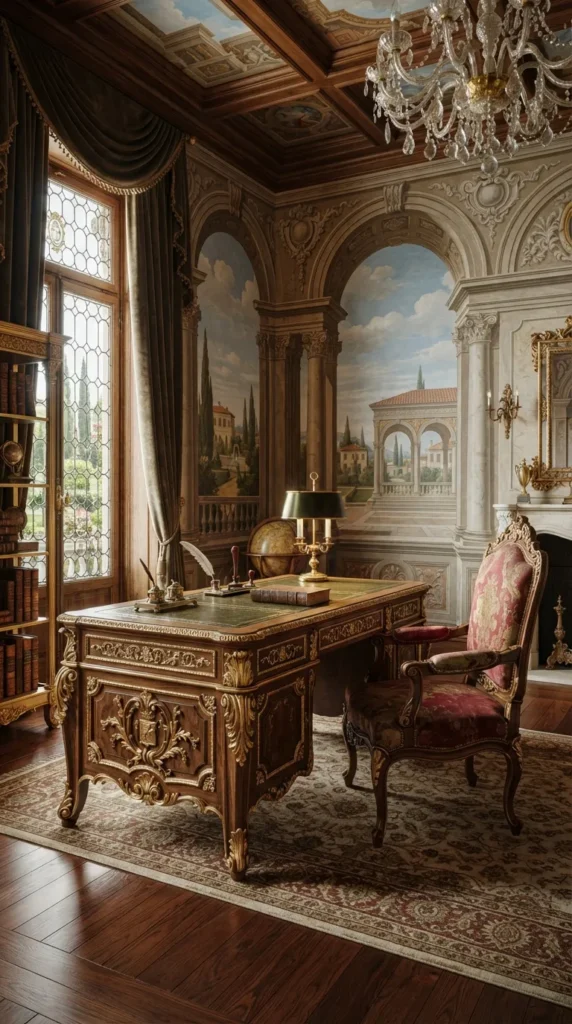
4. Trompe L’oeil Architectural Wall Murals

Introduction

Trompe l’oeil—meaning “to deceive the eye”—is an artistic technique used in Baroque palaces to trick viewers into believing flat walls open up into sweeping colonnades, outdoor gardens, or mythological heavens.

What This Idea Means

This decorative choice expands spatial boundaries, creating an illusion of infinite depth in smaller or darker rooms. It adds layers of architectural history without requiring physical masonry changes.

How to Make It

  • The Design: Commission an artist or install a bespoke wall mural depicting Baroque stone archways, classical pilasters, and distant classical landscapes bathed in golden-hour light.
  • The Framing: Build physical wooden picture-frame moldings around sections of the mural to blend real three-dimensional carpentry with painted illusion.
  • The Finish: Seal the wall with a matte protective varnish to ensure the artwork remains crisp and protected.

Tips and Variations

  • Focus a trompe l’oeil mural on an accent wall behind a dining table or in a formal drawing room to maximize its visual impact.
  • Essentials: Custom wall mural or artisan paint supplies, wood molding trim, finish nails, matte clear wall sealer.

5. Venetian Crystal Chandelier with Sconces

Introduction

Lighting in a Baroque interior is designed to sparkle, multiply, and shimmer across reflective surfaces. A grand Venetian crystal chandelier suspended from the ceiling paired with matching wall sconces creates a dazzling atmosphere.

What This Idea Means

Before electricity, light was precious; Baroque designers utilized multi-tiered glass and crystal chandeliers to refract candle flame infinitely. Today, a crystal fixture captures electric light to shower the room in dancing prisms.

How to Make It

  • The Fixture: Hang a multi-tiered iron or brass frame chandelier draped with hand-cut Bohemian crystal pendants, teardrops, and swags.
  • The Wall Sconces: Mount matching 2- or 3-light candle-style sconces on the surrounding walls at eye level, fitted with flame-shaped LED bulbs.
  • The Dimmer: Install a heavy-duty rotary dimmer switch so you can drop the lighting to a warm, candle-like glow in the evenings.

Tips and Variations

  • Clean your crystal chandelier annually with a specialized spray cleaner to ensure maximum light refraction and sparkle.
  • Essentials: Venetian-style crystal chandelier, matching wall sconces, heavy-duty ceiling electrical box, dimmer switch.

6. Ornate Baroque Carved Marble Fireplace Mantel

Introduction

The fireplace is the heart of any traditional home, and in Baroque architecture, it is framed by monumental carved marble mantels featuring scrolling brackets, lion heads, and botanical garlands.

What This Idea Means

This architectural anchor projects warmth, status, and permanence. A Baroque mantel transforms a standard living room firebox into a sculptural masterwork of stone masonry.

How to Make It

  • The Mantel Surround: Install a custom or reclaimed carved marble fireplace surround featuring bold corbels, a breakfront shelf, and deep relief carvings.
  • The Hearth: Extend the hearth with matching polished black or white marble tiles.
  • The Overmantel: Build a recessed wood-paneled or mirrored overmantel directly above the firebox shelf to frame a historic portrait or mirror.

Tips and Variations

  • Style the mantel shelf with heavy brass candlesticks, a vintage mantel clock, and trailing dried botanicals.
  • Essentials: Carved marble mantelpiece, hearth tiles, masonry adhesive, fireplace screen with scroll ironwork.

7. Damask & Brocade Upholstered Wall Panels

Introduction

Instead of plain painted drywall, Baroque interiors wrap rooms in rich, tactile fabrics. Upholstered wall panels using woven silk damask or brocade introduce softness, luxury, and acoustic richness.

What This Idea Means

This technique surrounds inhabitants in continuous pattern and texture, reflecting light differently throughout the day. It creates an intimate, cocoon-like atmosphere typical of royal antechambers.

How to Make It

  • The Framework: Divide wall surfaces into symmetrical vertical panels using thin wooden battens or decorative plaster picture-frame moldings.
  • The Upholstery: Stretch batting and heavy silk damask or cotton brocade fabric tightly within each panel frame, securing the edges neatly behind the molding.
  • The Pattern: Ensure symmetrical pattern alignment across adjacent panels for a clean, cohesive look.

Tips and Variations

  • Opt for classic damask motifs featuring pomegranates, acanthus leaves, or heraldic lilies in muted gold and cream tones.
  • Essentials: Silk damask or brocade fabric, upholstery batting, wood molding trim, staple gun, utility knife.

8. Grand Oversized Gilt-Framed Overmantel Mirrors

Introduction

Baroque interior design relies heavily on mirrors to amplify natural light and visually double the scale of grand halls. An oversized, heavily carved giltwood mirror is an absolute must-have statement piece.

What This Idea Means

Mirrors in the Baroque tradition were symbols of wealth and magical reflection. Their frames were intensely sculptural, featuring pierced carvings, crests, and gilded surfaces that commanded attention.

How to Make It

  • The Selection: Find an antique-style or reproduction rectangular mirror with a monumental carved wooden frame finished in bright or antiqued gold leaf.
  • The Placement: Mount the mirror securely to wall studs above a fireplace mantel or a grand entryway chest.
  • The Angling: Ensure the mirror reflects a magnificent chandelier, a crystal sconce, or an outdoor window view to maximize light diffusion.

Tips and Variations

  • Choose a mirror with bevel-cut glass edges to add an extra layer of refractive sparkle when hit by sunlight.
  • Essentials: Oversized carved gilt mirror, heavy-duty French cleats, wall anchors, stud finder.

9. Polished Marble & Inlay Checkerboard Flooring

Introduction

Grounding the exuberant vertical elements of Baroque design requires a floor of equal majesty. Polished contrasting marble tiles laid in a crisp checkerboard or intricate geometric starburst pattern set a magnificent foundation.

What This Idea Means

Checkerboard marble flooring, often alternating between stark white Carrara and deep black Nero Marquina marble, brings dramatic optical rhythm and stately classical balance to entryways and grand dining rooms.

How to Make It

  • The Tiles: Source high-grade polished marble tiles cut precisely into uniform squares or geometric polygons.
  • The Layout: Lay out the tiles in a diagonal diamond pattern or a straight checkerboard grid, framed by a contrasting marble border or key-line inlay.
  • The Grouting: Use tight, color-matched grout lines to create a seamless, monolithic stone floor surface.

Tips and Variations

  • Seal natural marble floors immediately after installation and apply a penetrating stone sealer annually to protect against etching and staining.
  • Essentials: Polished marble tiles, tile cutter, thin-set mortar, stone tile spacers, marble sealer.

10. Intricate Plasterwork Wall Mouldings & Wainscoting

Introduction

Walls in Baroque architecture are rarely flat. They are articulated with precise geometric paneling, chair rails, and layered picture frames that create depth and classical rhythm.

What This Idea Means

This architectural treatment introduces structure and sophistication, breaking up large wall expanses into harmonious, balanced sections that whisper historical pedigree.

How to Make It

  • The Layout: Plan a symmetrical wainscoting and upper-wall panel layout using painter’s tape to map out proportions.
  • The Installation: Glue and nail decorative plaster or polyurethane moulding profiles directly onto drywall surfaces.
  • The Paint Treatment: Paint the wall panels and the interior wall field in the same satin finish, or use a contrasting accent color inside the frames for added pop.

Tips and Variations

  • Combine chair rails, baseboards, and ornate corner cartouches to give standard drywall the illusion of ancient plaster masonry.
  • Essentials: Plaster or polyurethane moulding strips, miter saw, construction adhesive, brad nailer, caulk gun.

11. Baroque-Style Upholstered Wingback Chairs with Cabriole Legs

Introduction

Seating in the Baroque period combined ergonomic comfort with flamboyant artistic expression. Upholstered wingback or armchair designs featuring exposed carved wood frames and cabriole legs provide regal comfort.

What This Idea Means

These chairs act as sculptural art pieces in a room. Their sweeping armrests, curved legs terminating in scroll or claw-and-ball feet, and plush velvet upholstery invite you to sit back in royal style.

How to Make It

  • The Frame: Select a solid hardwood armchair featuring hand-carved exposed wood framing with gold gilding or dark walnut staining.
  • The Upholstery: Cover the seat, backrest, and wings in heavy cut velvet, tapestry fabric, or embossed leather.
  • The Trim: Finish the upholstery seams with matching decorative brass nailhead trim or braided gimp braid.

Tips and Variations

  • Pair a pair of Baroque armchairs with a carved gilded wooden side table to create an intimate conversation nook.
  • Essentials: Carved wooden armchair, heavy velvet fabric, decorative upholstery tacks, hammer.

12. Hand-Painted Chinoiserie & Baroque Lacquered Cabinets

Introduction

During the height of the Baroque period, European courts fell in love with Asian lacquerware, leading to the creation of Chinoiserie furniture—exotic, hand-painted lacquered cabinets adorned with gold leaf landscapes.

What This Idea Means

This decor element introduces a touch of exotic global trade and supreme craftsmanship. Deep black or red lacquered surfaces embellished with gilded pagodas, birds, and flora add mystery and vibrant contrast.

How to Make It

  • The Cabinet: Acquire a statement storage cabinet, armoire, or buffet with flat panel doors.
  • The Finish: Apply multiple coats of deep black high-gloss lacquer, followed by hand-painted or stenciled gold leaf Chinoiserie motifs.
  • The Hardware: Install ornate, pierced brass or bronze drop-pull handles and backplates.

Tips and Variations

  • Use a high-gloss protective polyurethane coat over the artwork to ensure the lacquered finish remains deep and mirror-like.
  • Essentials: High-gloss black lacquer paint, gold leaf or metallic paint pens, ornate brass cabinet hardware.

13. Sculptural Plaster Corbels and Pilasters

Introduction

Architectural support structures in Baroque design are rarely hidden; instead, they are celebrated through sculptural corbels, brackets, and half-columns known as pilasters.

What This Idea Means

Pilasters and corbels add a sense of structural integrity, weight, and classical lineage to a room, framing doorways, mantels, and bookshelf openings with sculptural majesty.

How to Make It

  • The Placement: Identify strategic locations such as room entryways, the edges of a fireplace, or beneath ceiling beams.
  • The Installation: Secure cast plaster or lightweight resin corbels and fluted pilaster capitals firmly to wall studs.
  • The Finish: Paint or faux-finish the pilasters to match surrounding stone or woodwork, highlighting carved details with a wash of antique glaze.

Tips and Variations

  • Use fluted pilasters to frame an open archway between a formal living room and a dining room for a grand palatial transition.
  • Essentials: Cast plaster corbels, fluted pilasters, heavy-duty construction adhesive, wood screws, spackle.

14. Richly Embossed Leather Wall Coverings (Cordovan Style)

Introduction

Originating in historic Spanish and Italian workshops, embossed and gilded leather wall coverings—known as Cordovan leather—represent the ultimate in tactile, durable luxury for studies and libraries.

What This Idea Means

This style brings an earthy, masculine, yet supremely luxurious weight to a room. The tactile relief patterns pressed into leather and highlighted with metallic foils create an atmosphere of scholarly gravitas.

How to Make It

  • The Material: Source high-quality embossed leather wall tiles or heavy embossed vinyl wall coverings designed to mimic historic Cordovan leather.
  • The Application: Adhere the panels to a prepared, primed wall surface using heavy-duty wallpaper or leather adhesive.
  • The Accents: Frame sections of the leather wall with dark oak wood paneling and antique brass nailheads.

Tips and Variations

  • This treatment works exceptionally well in home libraries, private studies, or moody billiard rooms paired with leather club chairs.
  • Essentials: Embossed leather wall panels, leather adhesive, smoothing roller, utility knife.

15. Grand Double Entry Doors with Brass Hardware and Carvings

Introduction

First impressions matter. Grand double entry doors featuring deep recessed panels, carved wooden cartouches, and monumental brass or bronze hardware set a theatrical tone before anyone even steps inside.

What This Idea Means

Baroque architecture treats thresholds as sacred transitions between the outside world and internal splendor. A pair of heavy, paneled wooden doors communicates immediate stature and elegance.

How to Make It

  • The Doors: Install solid wood double doors (such as walnut or mahogany) featuring multi-level raised panels and arched upper transoms.
  • The Hardware: Mount massive wrought iron or polished brass ring door knockers, heavy backplates, and mortise locksets.
  • The Finish: Stain the wood in a deep espresso or cherry finish, sealed with an exterior-grade UV protective clear coat.

Tips and Variations

  • Add a glass transom window above the double doors etched with intricate Baroque floral scrolls to let in natural light while maintaining privacy.
  • Essentials: Solid wood double doors, heavy brass pull handles and lockset, weatherstripping, wood stain.

16. Historic Oil Painting Gallery Wall with Heavy Gilt Frames

Introduction

A Baroque home is incomplete without art. A gallery wall composed of classical oil paintings—portraits, landscapes, and still lifes—framed in heavy, ornate gilded frames creates a majestic focal point.

What This Idea Means

This curation celebrates historical narrative and artistic mastery. Grouping frames closely together in a traditional salon style covers the wall in rich visual texture and old-world sophistication.

How to Make It

  • The Artwork: Collect reproduction or vintage oil paintings featuring dramatic chiaroscuro (strong contrasts between light and dark) typical of Baroque masters like Caravaggio or Rembrandt.
  • The Frames: House every piece in heavily carved, wide wooden frames finished in brilliant or antiqued gold leaf.
  • The Arrangement: Hang the art pieces in a dense, symmetrical or organic cluster on a dark-painted or damask-wallpapered accent wall.

Tips and Variations

  • Install picture lights (brass pharmacy lights) directly above key paintings to illuminate the canvases in authentic gallery fashion.
  • Essentials: Oil paintings on canvas, heavy gold leaf frames, picture hanging wire, brass picture lights.

17. Velvet Tufted Daybed with Curled Scroll Ends

Introduction

Designed for leisurely lounging and afternoon contemplation, a Baroque daybed features dramatic scroll ends, exposed carved wooden frames, and deep button-tufted upholstery.

What This Idea Means

The daybed bridges the gap between seating and sleeping, offering an intimate, luxurious furniture piece that invites relaxation without sacrificing grand aesthetic standards.

How to Make It

  • The Frame: Choose a wooden daybed featuring asymmetrical or symmetrical scrolled head and footboards with hand-carved floral details.
  • The Upholstery: Upholster the mattress frame and bolsters in plush jewel-toned velvet with deep button tufting.
  • The Pillows: Accent the daybed with silk tassel pillows and embroidered bolster cushions.

Tips and Variations

  • Position the daybed beneath a large window or facing a fireplace to create a dreamy reading nook.
  • Essentials: Carved wooden daybed frame, velvet mattress upholstery, silk bolster pillows.

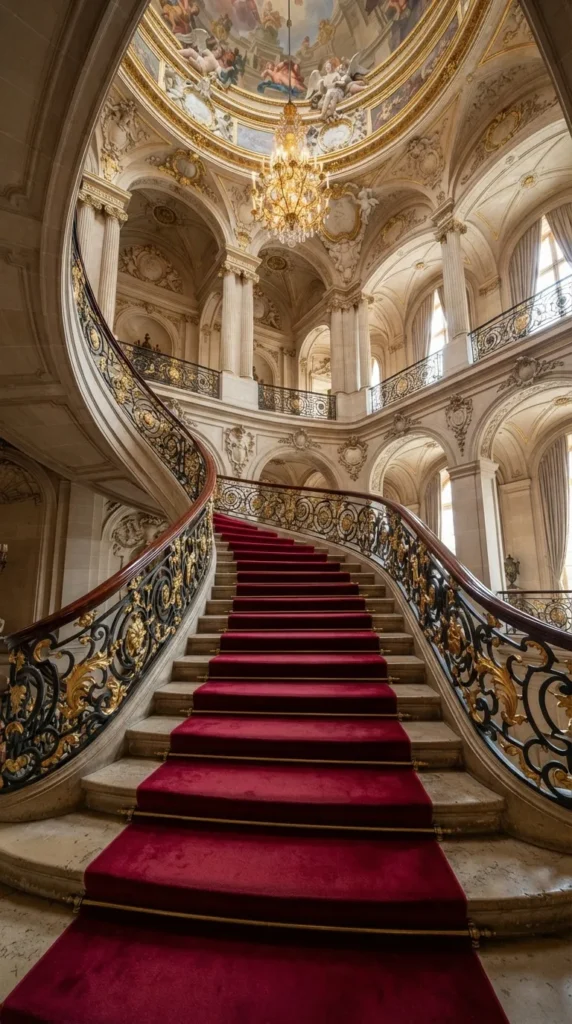
18. Ornate Wrought Iron and Gold Staircase Balustrades

Introduction

Staircases in Baroque palaces were monumental engineering feats designed for grand processions. Replacing a standard modern railing with intricate wrought iron and gold-accented balustrades elevates your home’s vertical core.

What This Idea Means

Wrought iron scrollwork mimics organic vines and ribbon-like movement. Adding gold leaf highlights to the iron scrolls transforms a functional safety barrier into an exquisite work of art.

How to Make It

  • The Balustrade: Install custom wrought iron panels featuring continuous S-scrolls, C-scrolls, and floral iron rosettes.
  • The Gilding: Paint select iron details, leaves, and rosettes with metallic gold leaf paint.
  • The Handrail: Cap the balustrade with a smoothly polished, dark-stained wooden handrail that curves elegantly at the newel posts.

Tips and Variations

  • Run a plush stair runner carpet secured with polished brass stair rods down the center of the steps to dampen sound and enhance comfort.
  • Essentials: Wrought iron scroll balusters, gold leaf paint, wooden handrail, stair runner carpet, brass stair rods.

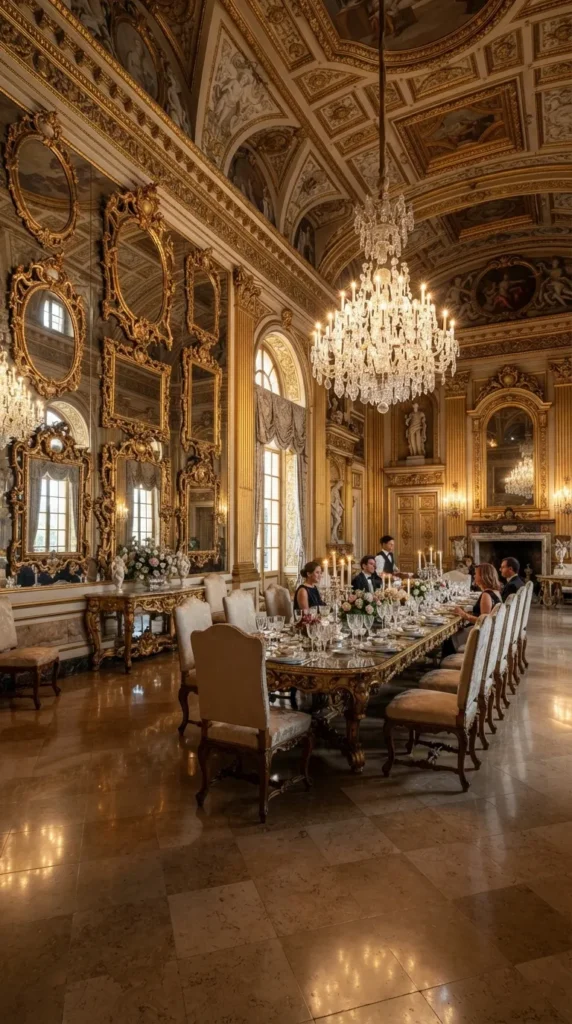
19. Baroque Mirror Gallery with Ornate Cartouches

Introduction

Instead of a single mirror, creating an entire gallery wall of disparate, ornate Baroque mirrors of various shapes and sizes multiplies light and creates a breathtaking reflective display.

What This Idea Means

This eclectic yet cohesive arrangement celebrates the playful, whimsical side of Baroque and Rococo design, where mirrors act as sculptural jewels bouncing reflections across the room.

How to Make It

  • The Collection: Gather a collection of oval, rectangular, and sunburst mirrors featuring heavily molded polyurethane or carved wooden frames.
  • The Unified Finish: Spray-paint or leaf all the frames in a matching antique gold or champagne silver finish to unify the diverse shapes.
  • The Arrangement: Hang them in a tight, harmonious cluster along a dining room or hallway wall.

Tips and Variations

  • Mix mirrors of differing depths and bevels to create maximum shadow play and dimensional variety on the wall.
  • Essentials: Assorted decorative mirrors, gold leaf spray paint, heavy-duty picture hangers.

20. Grand Dining Table with Intricate Marquetry and Gilt Bases

Introduction

The dining room is the ultimate stage for entertaining in a Baroque home. A grand dining table featuring exquisite wood marquetry inlay and heavy gilded pedestals anchors feasts in absolute splendor.

What This Idea Means

This centerpiece represents hospitality at its most majestic. Detailed wood inlay (marquetry) forms intricate floral or geometric patterns across the tabletop surface, framed by monumental carved bases.

How to Make It

  • The Table: Invest in an extendable solid wood dining table featuring intricate burl wood and fruitwood marquetry top patterns.
  • The Base: Support the table with heavy carved pedestals or cabriole legs finished with gold leaf accents.
  • The Seating: Surround the table with high-backed upholstered dining chairs featuring carved wooden frames and brass nailhead trim.

Tips and Variations

  • Suspend a grand crystal chandelier directly centered over the table and top the surface with silver candelabras and crystal stemware.
  • Essentials: Marquetry dining table, high-backed dining chairs, crystal candelabras, fine china.

Conclusion

Embracing Baroque architecture and decor in your home is an invitation to celebrate history, drama, and unmatched craftsmanship. By integrating even a few of these twenty elegant ideas—whether through a dramatic gilded ceiling medallion, rich velvet drapery, or an ornate marble fireplace—you can create an interior space that feels timeless, majestic, and entirely unforgettable. Plan your lighting, invest in tactile, luxurious materials, and enjoy transforming your living spaces into a modern palace of grand design.