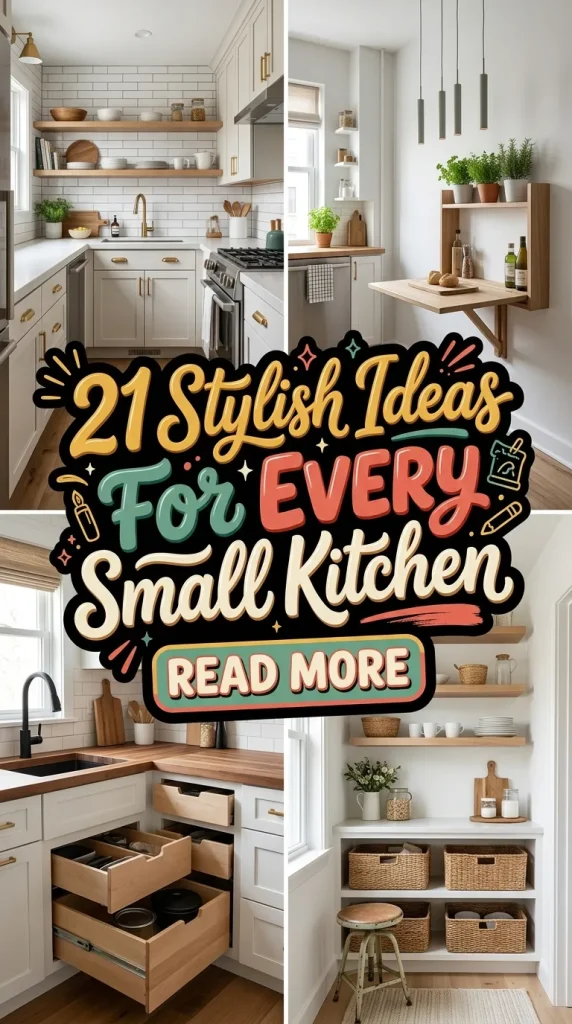
Designing a small kitchen doesn’t mean sacrificing style. With thoughtful planning, clever storage, and a few design tricks, even the tiniest kitchen can feel spacious, functional, and utterly Pinterest‑worthy. Below are 21tylish ideas—each presented as a clear, actionable concept with styling tips, product suggestions, and small DIY touches—to help you transform a compact kitchen into a beautiful, efficient heart of the home.
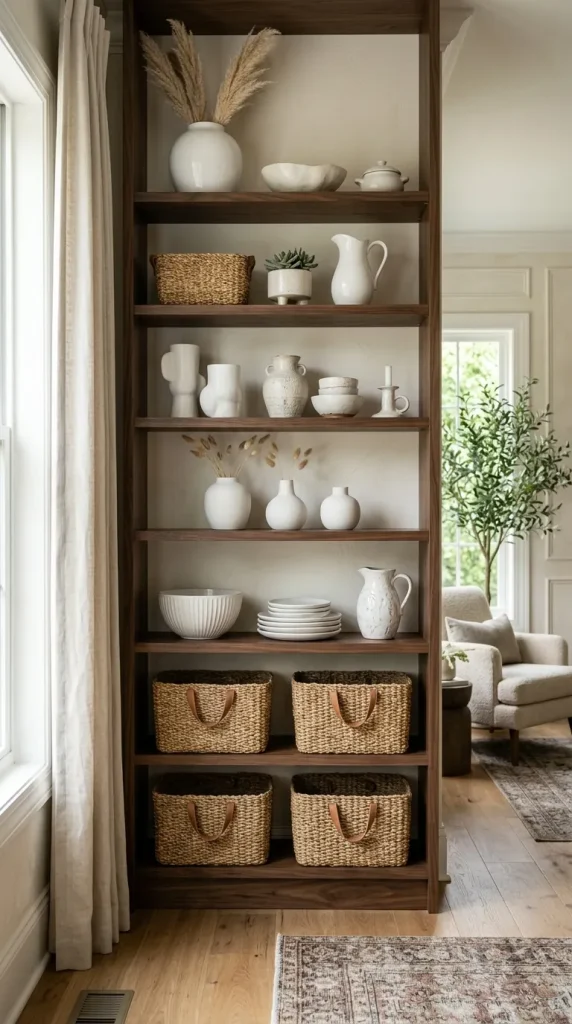
1. Maximize Vertical Storage
When floor space is limited, look up. Vertical storage turns unused wall height into practical, stylish real estate. Tall cabinets that reach the ceiling, open shelving stacked high, and wall‑mounted rails for utensils and pans free up counters and keep essentials within reach.
How to implement
- Install cabinets that go all the way to the ceiling and use the top shelves for seasonal items or pretty storage boxes.
- Add open shelves above the backsplash for frequently used dishes and decorative pieces.
- Use magnetic knife strips, pegboards, or rail systems to hang pots, pans, and utensils.
Styling tips
- Keep the top shelves visually light by using matching baskets or uniform jars.
- Paint the inside of tall cabinets a lighter shade to create depth and avoid a closed‑in feeling.
- Display a few curated items—an elegant teapot, a stack of white plates—to make storage look intentional.
Why it works Vertical storage increases capacity without expanding the footprint, and it creates a layered, editorial look that’s both practical and pretty.
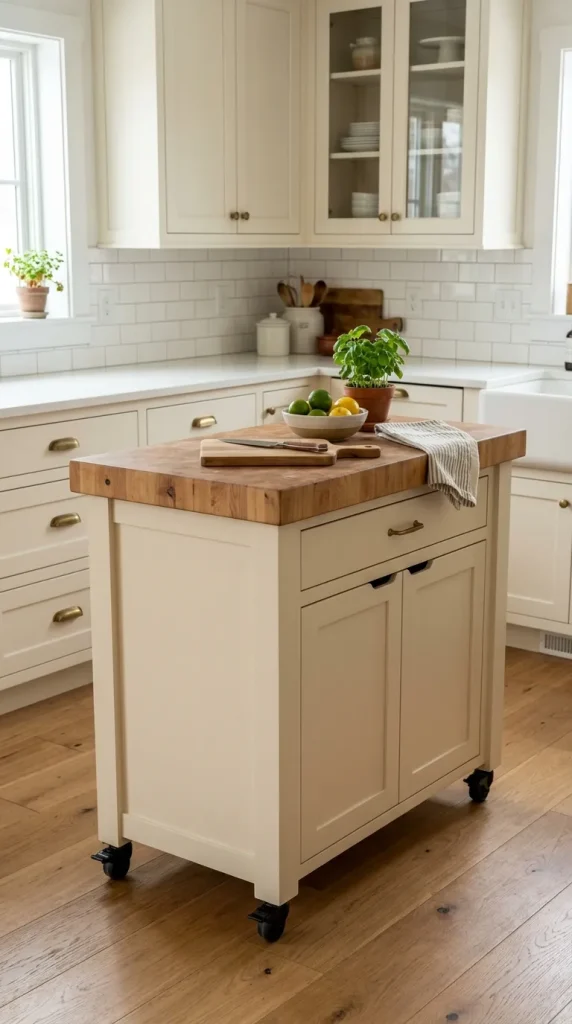
2. Choose Multi‑Functional Furniture
In a small kitchen, every piece should earn its place. Multi‑functional furniture—drop‑leaf tables, rolling islands, benches with storage—adds flexibility and maximizes utility.
How to implement
- Use a narrow rolling island that can be moved for prep or pushed aside for more floor space.
- Choose a dining bench with hidden storage for linens, cookbooks, or pantry overflow.
- Install a fold‑down table or wall‑mounted drop‑leaf for occasional dining or extra prep space.
Styling tips
- Opt for furniture in light wood or neutral tones to keep the space airy.
- Add a cushion or two to benches for comfort and color.
- Use the underside of a drop‑leaf table for hooks to hang aprons or oven mitts.
Why it works Multi‑functional pieces adapt to changing needs—cooking, dining, working—so the kitchen feels larger and more versatile.
3. Embrace Open Shelving with Intent
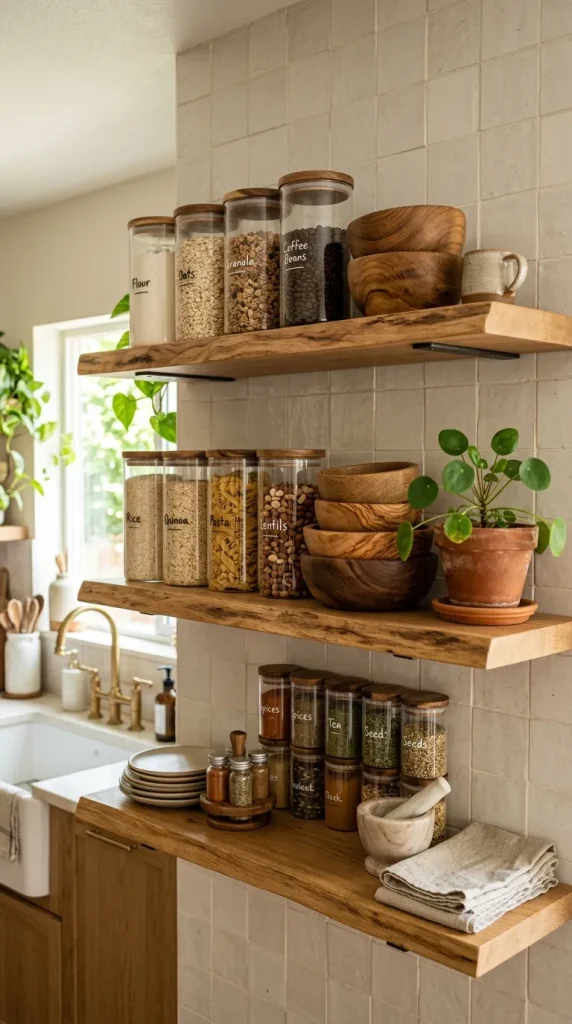
Open shelving can make a small kitchen feel more open and airy, but it requires curation. When styled thoughtfully, open shelves become a design feature that showcases personality and keeps essentials accessible.
How to implement
- Limit open shelving to one wall or a single run above the counter to avoid visual clutter.
- Group items by color or material—white dishes, glassware, wooden bowls—for a cohesive look.
- Keep heavier, less attractive items in closed cabinets and reserve open shelves for pretty, functional pieces.
Styling tips
- Mix functional items with a few decorative accents: a small plant, a framed print, or a ceramic jar.
- Use matching containers for pantry staples to create a streamlined appearance.
- Rotate displays seasonally to keep the look fresh.
Why it works Open shelving visually expands the room and turns everyday objects into decor, making the kitchen feel curated rather than cramped.
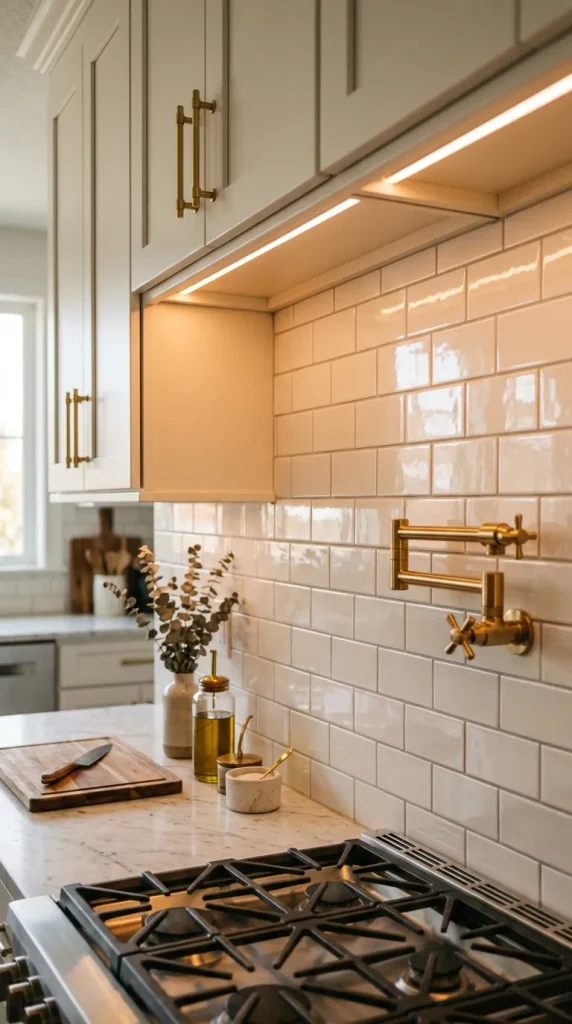
4. Opt for Light, Reflective Surfaces
Light and reflection are the easiest ways to make a small kitchen feel larger. Glossy backsplashes, glass cabinet doors, and reflective hardware bounce light around the room and create a sense of depth.
How to implement
- Choose a glossy subway tile or glass backsplash to reflect light.
- Consider glass‑front upper cabinets to break up solid blocks of cabinetry.
- Use polished chrome or brass hardware to add small reflective accents.
Styling tips
- Keep countertops clutter‑free to allow surfaces to reflect light.
- Pair reflective finishes with matte textures—wood or stone—to avoid a clinical feel.
- Use under‑cabinet lighting to illuminate work surfaces and enhance reflections.
Why it works Reflective surfaces amplify natural and artificial light, visually enlarging the space and adding a modern, polished touch.
5. Create a Cohesive Color Palette
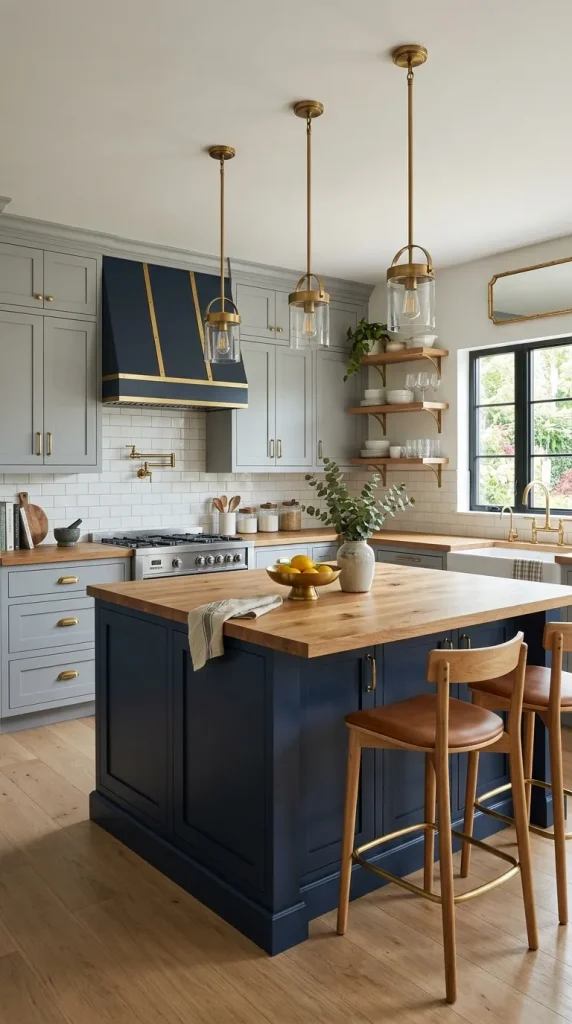
A restrained, cohesive color palette makes a small kitchen feel intentional and calm. Choose two or three complementary tones and repeat them across cabinetry, walls, textiles, and accessories.
How to implement
- Pick a dominant neutral (white, soft gray, warm beige) and add one or two accent colors (navy, sage, terracotta).
- Paint lower cabinets a darker shade and upper cabinets a lighter tone to ground the space while keeping it airy.
- Use consistent hardware finishes to tie the palette together.
Styling tips
- Introduce color through small, changeable elements—tea towels, rugs, and dishware—so you can refresh the look easily.
- Use a single pattern or texture in multiple places (e.g., a striped runner and striped cushions) for cohesion.
- Keep large surfaces neutral if you prefer bold accents in small doses.
Why it works A unified palette reduces visual noise and creates a sense of continuity, making the kitchen feel larger and more harmonious.
6. Smart Lighting Layers
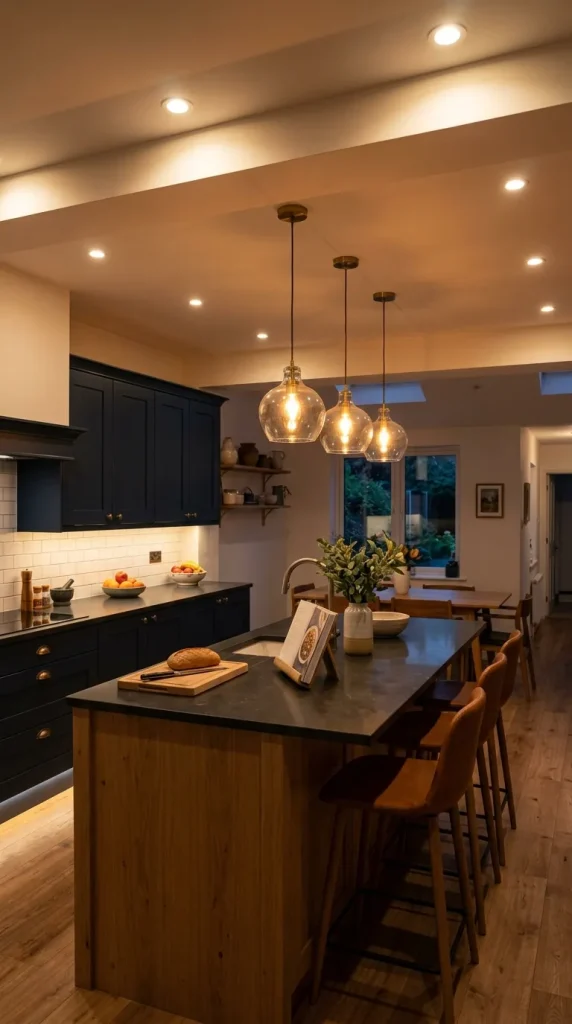
Good lighting is essential in a small kitchen. Layered lighting—ambient, task, and accent—ensures functionality while creating atmosphere. Dimmers are a small investment that dramatically increases versatility.
How to implement
- Install recessed or ceiling fixtures for general illumination.
- Add under‑cabinet LED strips for task lighting on counters.
- Use pendant lights over islands or dining nooks for focused light and style.
Styling tips
- Choose warm LED bulbs for a cozy, inviting glow.
- Use a statement pendant to draw the eye upward and create a focal point.
- Place accent lights inside glass cabinets or above open shelves to highlight curated items.
Why it works Layered lighting improves usability and mood, and it helps define zones in a compact layout.
7. Clever Appliance Choices
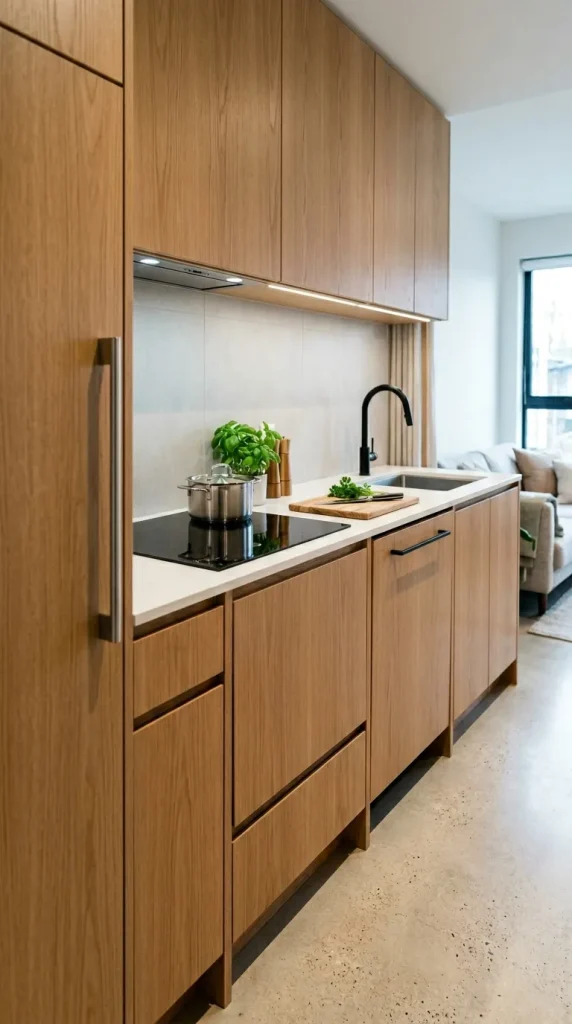
Small kitchens benefit from appliances designed for compact living. Slimline refrigerators, combination microwave‑ovens, and integrated dishwashers save space without sacrificing performance.
How to implement
- Choose appliances with smaller footprints or built‑in options to maintain clean lines.
- Consider a two‑in‑one oven or a drawer dishwasher for flexibility.
- Use a compact induction cooktop if you rarely need multiple burners.
Styling tips
- Integrate appliances behind cabinet panels for a seamless look.
- Choose appliances in matching finishes to reduce visual clutter.
- Keep frequently used small appliances stored away and only display the prettiest pieces.
Why it works Right‑sized appliances free up counter space and create a streamlined, efficient kitchen.
8. Maximize Corner and Nook Solutions
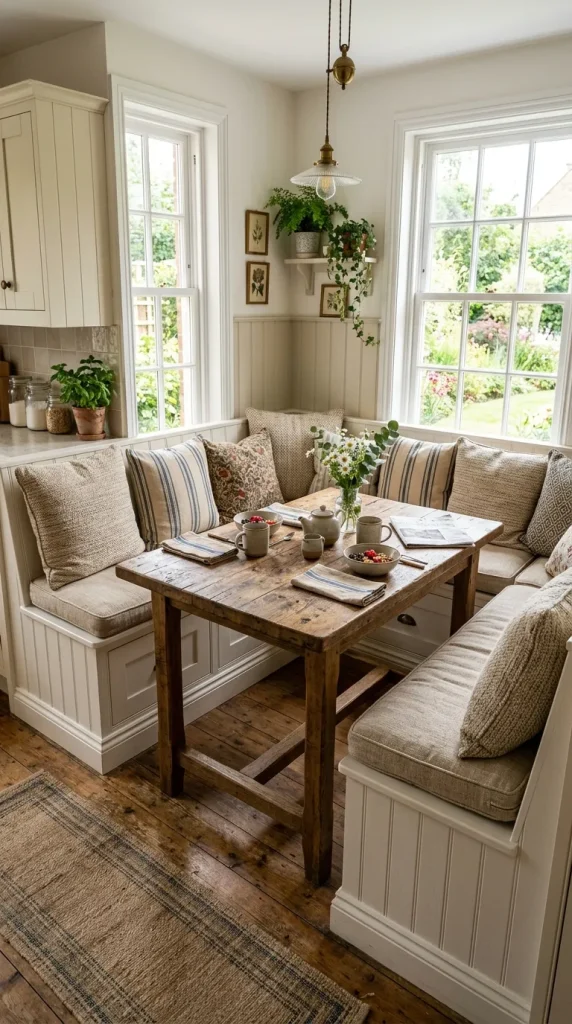
Corners and awkward nooks are opportunities, not problems. Pull‑out corner cabinets, lazy Susans, and built‑in banquettes turn wasted space into functional storage or seating.
How to implement
- Install a pull‑out corner organizer or a rotating lazy Susan to access deep cabinets easily.
- Convert a small alcove into a built‑in breakfast nook with storage beneath the bench.
- Use narrow pull‑out pantry units beside the fridge for spices and oils.
Styling tips
- Add cushions and a small table to a nook to create a cozy dining spot.
- Use consistent upholstery and paint colors to visually integrate the nook with the kitchen.
- Keep corner counters clear and use vertical storage to avoid clutter.
Why it works Smart corner solutions increase usable storage and create charming, functional moments in a compact layout.
9. Use Mirrors and Glass to Expand Sightlines
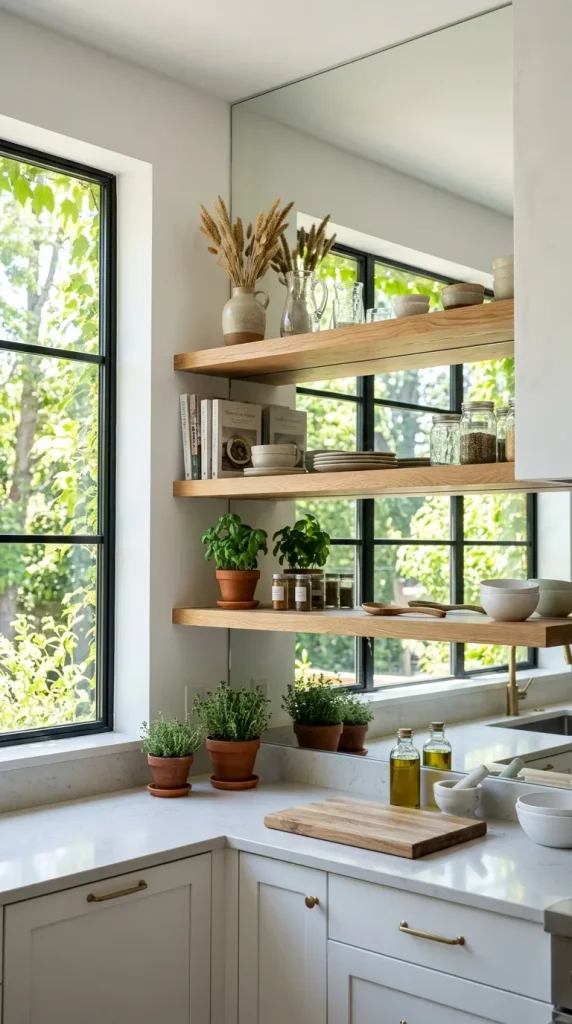
Mirrors and glass elements trick the eye into perceiving more space. A mirrored backsplash, glass cabinet doors, or a small wall mirror near the dining area can open up sightlines and add brightness.
How to implement
- Install a mirrored backsplash behind open shelving or the stove for a dramatic effect.
- Use glass‑front cabinets to break up solid cabinetry and show off curated items.
- Hang a decorative mirror on a wall opposite a window to reflect natural light.
Styling tips
- Choose a mirror with a thin, elegant frame to keep the look light.
- Balance reflective elements with warm textures—wood, woven baskets—to avoid a cold aesthetic.
- Keep mirrored surfaces clean to maintain clarity and brightness.
Why it works Mirrors and glass create the illusion of depth and double the perceived space, making the kitchen feel larger and more open.
10. Personalize with Thoughtful Details
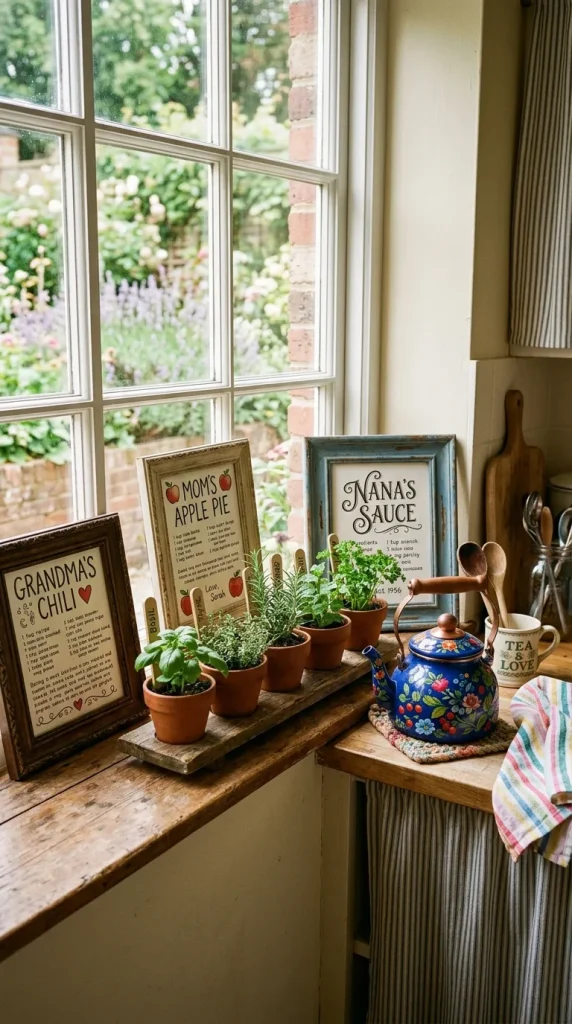
Small kitchens shine when they reflect the people who use them. Thoughtful details—artwork, a signature color, curated dishware, or a small herb garden—make the space feel lived‑in and loved.
How to implement
- Display a small gallery of framed recipe cards, vintage prints, or family photos.
- Create a windowsill herb garden in matching pots for fresh flavor and greenery.
- Choose a signature item—a colorful kettle, patterned rug, or unique pendant—to anchor the room’s personality.
Styling tips
- Rotate small decor seasonally to keep the kitchen feeling fresh.
- Use textiles—tea towels, seat cushions, and runners—to introduce pattern and warmth.
- Keep personal items functional where possible: a pretty bowl for fruit, a stylish jar for utensils.
Why it works Personal touches transform a functional space into a home, and in a small kitchen, every detail counts.
Practical Checklist for Small Kitchen Success
Turning these ideas into reality is easier with a plan. Use this checklist to guide your project from concept to completion.
- Measure carefully: Know your exact dimensions before buying furniture or appliances.
- Prioritize storage: Add vertical solutions and multi‑functional furniture first.
- Choose durable finishes: Opt for easy‑clean surfaces and stain‑resistant fabrics.
- Plan lighting early: Wiring and fixture placement are easier to address during renovation.
- Declutter regularly: A small kitchen feels larger when surfaces are clear.
- Invest in a few quality pieces: A well‑made table or a durable countertop pays off over time.
- Test layouts: Use tape on the floor to visualize new furniture or island placement.
- Think modular: Rolling islands and movable furniture adapt as your needs change.
Final Thoughts
A small kitchen can be stylish, efficient, and deeply personal. The key is to combine smart storage, layered lighting, and a cohesive palette with a few curated accents that reflect your taste. Start with one or two changes—vertical storage, a new lighting plan, or a multi‑functional piece—and build from there. With intention and creativity, your compact kitchen can become a beautiful, functional space you’ll love to use and share.
More ideas to come…